
Katarak

Apakah Katarak Itu?
Katarak adalah perkabutan bertahap pada lensa mata yang  umumnya disebabkan oleh faktor usia. Katarak menyebabkan pandangan menjadi tidak jelas dan dapat berakibat kebutaan. Katarak merupakan penyebab utama kebutaan di seluruh dunia.
Bacalah untuk mengetahui lebih lanjut menjenai kondisi yang umum terjadi ini dan bagaimana penanganannya.
(English) Types of Cataracts
(English)
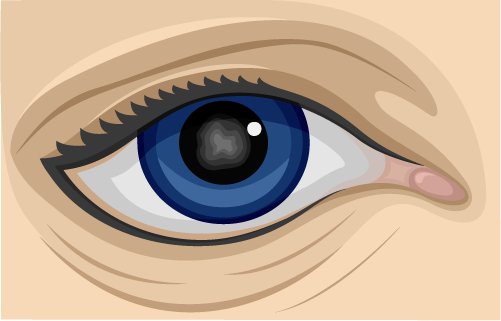
Nuclear Cataracts
The most prevalent form of cataract is linked to old age, which is characterised by clouding that occurs in the nucleus or centre of the lens.
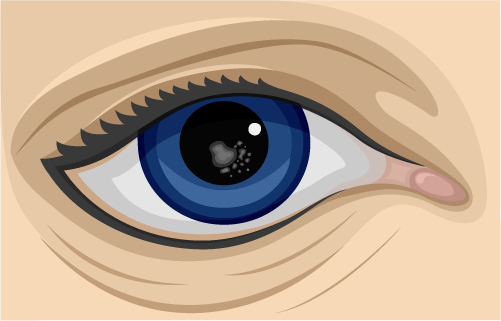
Posterior Subcapsular Cataracts
A specific type of cataract where an opaque area forms at the back of the lens. This typically affects individuals who have been using steroids for an extended duration or those with diabetes.
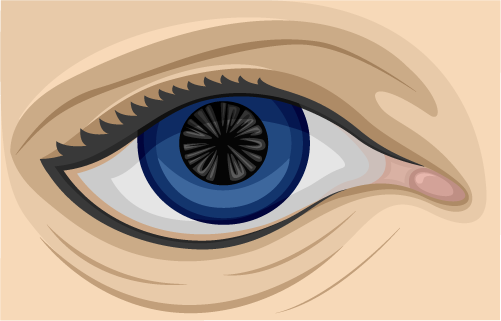
Cortical Cataracts
Unlike other cataract types that primarily involve the centre or the back of the lens, cortical cataracts develop on the outer, or cortex, of the lens. These cataracts typically begin as wedge-shaped opacities that work their way inward toward the centre of the lens, resembling the spokes of a wheel.
Apa Penyebab Katarak?
Katarak akan berkembang seiring dengan bertambahnya usia, terutama bila mata kita sering terpapar cahaya matahari. Katarak juga dapat terjadi pada pasien berusia muda, terutama individu dengan miopia tinggi atau diabetes, setelah cedera atau peradangan (inflamasi) pada mata, atau sebagai efek samping pengobatan steroid.
Bagaimana Gejala Yang Timbul?
Pandangan akan menjadi buram secara bertahap atau pandangan akan bersemu kekuningan. Warna juga akan tampak lebih suram. Beberapa orang mengeluhkan adanya bias cahaya bila melihat sinar terang atau perubahan kekuatan lensa kacamata mereka seiring dengan perburukan katarak.
Bagaimana Cara Mendiagnosis Katarak?
Katarak dapat dideteksi oleh dokter dengan menggunakan mikroskop slit lamp. Evaluasi mata secara komprehensif harus dilakukan untuk menyingkirkan kelainan mata yang lain sebelum diputuskan operasi katarak.
Kapan Saya Harus Menjalani Operasi Katarak?
Jaman dahulu, operasi katarak dilakukan bila katarak sudah “matang”. Seiring dengan kemajuan teknologi operasi, dewasa ini operasi katarak dilakukan bila pandangan buram tersebut sudah menganggu aktivitas sehari-hari pasien.
Operasi Katarak
Operasi merupakan satu-satunya metode yang efektif  untuk mengatasi katarak.
Operasi ini dilakukan tanpa rawat inap, biasanya kurang dari 20 menit (dapat diklaim ke Medisave ) dengan menggunakan anestesi lokal. Perkembangan teknik operasi tanpa jahitan atau dengan bantuan laser femtosecond (tanpa pisau) yang memerlukan luka minimal dengan menggunakan energi ultrasonik (gelombang suara), memungkinkan penglihatan pasien untuk pulih dengan cepat sehari setelah operasi dilakukan. Dengan penggunaan lensa implan pilihan, seperti asferik monofokal, torik (astigmatik) atau lensa multifokal (bifokal, trifokal, dan fokus tambahan), pasien akan dapat memiliki penglihatan yang baik untuk jarak dekat maupun jarak jauh. Hal ini berarti presbiopia (‘lao hua’) akan dapat teratasi.
Karena masing-masing lensa implan memiliki keunggulan dan kelemahannya masingmasing, penting untuk mendiskukan kebutuhan dan gaya hidup Anda dengan dokter spesialis mata kami, sehingga dapat dipilih lensa implan yang paling sesuai dengan gaya hidup Anda. Kunjungi klinik kami di Singapura untuk mempelajari lebih lanjut.
(English) Cataract Surgery Fees
(English)
| Consultation (First visit) $150 – $210 |
| Follow-up Consultation $110 – $150 |
| Medical Report (When needed) $110 |
| Pre-cataract Surgery Calculation Tests $370 |
Cataract Surgery
|
Fees indicated are updated as of February 2023 and prices are subject to GST.
Use of Medisave
You can use your Medisave to pay a portion of the fees for Cataract Surgery and YAG laser. You can use your Medisave for yourself or your immediate family members which includes your spouse, children, parents and grandparents.
(English) Possible Complications of Cataract Surgery
(English) Cataract surgery is a highly successful and common procedure, but like any surgical intervention, it carries some risks and potential complications.
Potential complications of cataract surgery, while uncommon, may include:
- Endophthalmitis – an infection causing inflammation in the eye, and if not addressed promptly, it can potentially result in vision loss
- Dislocated Intraocular Lens (IOL) – artificial lens placed during cataract surgery can shift out of its intended position, which may require additional surgery to reposition or replace the IOL
- Posterior capsular rupture – fragments of the cataract may fall into the back of the eye
- Posterior capsular opacification – back part of the lens capsule that holds the IOL can become cloudy over time, causing vision to deteriorate
- Retinal detachment
- Leaking wound which may require stitching
- Swelling of the retina
- Droopy eyelids
You may also experience other side effects such as dry eye and difficulties with night vision. These effects are typically temporary and tend to diminish over about a three-month period, gradually improving with time. The increased clarify gained after the surgery might make floaters more apparently, regardless of the IOL type. Some patiences may experience different symptoms when using multifocal lenses such as glare or haloes, typically at night.
After your surgery, it is crucial to closely monitor your condition. If you notice any increased redness, blurred vision, swelling, sharp pain, or excessive tearing, please contact your doctor promptly.
(English)
Book An Eye Screening with Us Today
Take your first step towards better eye health – secure your appointment for a comprehensive screening at Shinagawa Eye Centre today.
Skrining mata sangat penting untuk mendeteksi masalah mata diam, seperti Glaucoma, yang dapat mempengaruhi penglihatan Anda sebelum Anda menyadarinya.
Baca lebih lajutMinum banyak air dapat mencegah dehidrasi, yang dapat mengurangi gejala mata kering.
Baca lebih lajutIkuti Seminar Lasik Kami
Apakah LASIK mengobati astigmatisme? Apakah LASIK menyakitkan? Kapan saya bisa mengambil penerbangan setelah LASIK? Ini dan banyak lagi pertanyaan tentang Kemajuan dalam Teknologi LASIK & Epi-LASIK yang dijawab langsung oleh dokter kami. Pendaftaran gratis. Kursi terbatas.
Daftar Sekarang